
As interest in GLP-1 medications continues to grow, healthcare organizations are receiving more questions from patients about Medicare’s new GLP-1 Bridge Program. Whether you’re a case manager, care coordinator, health plan leader, or provider organization, understanding how the program works can help you guide patient conversations and set appropriate expectations.
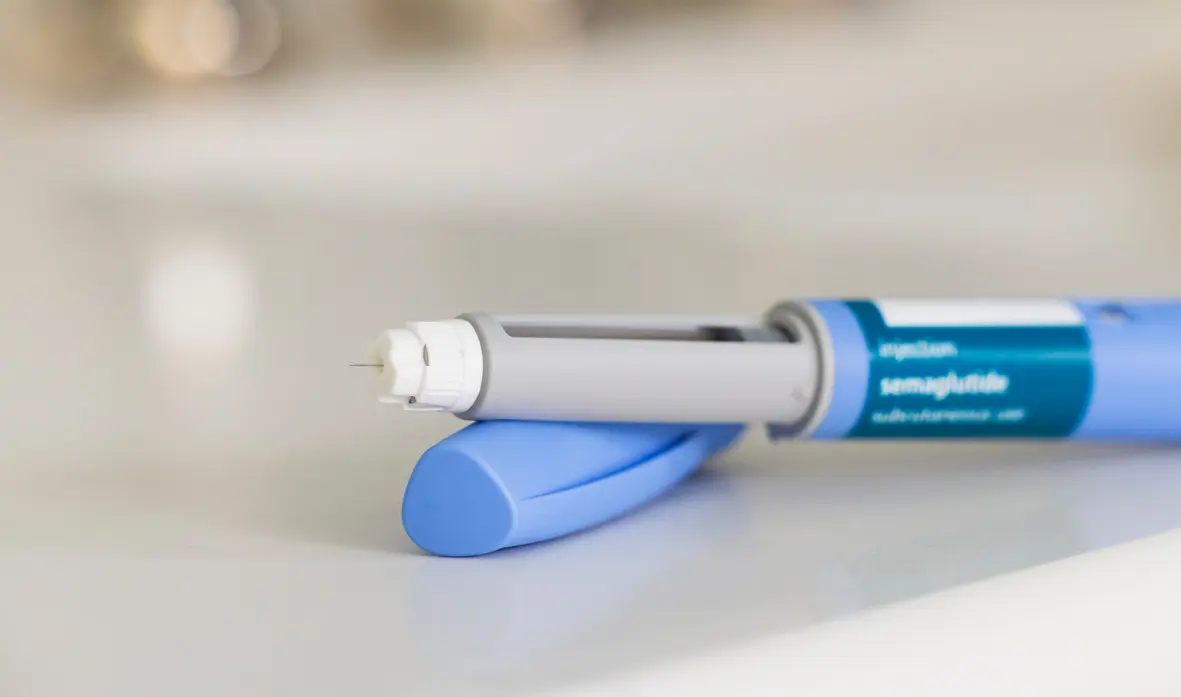
The Medicare GLP-1 Bridge Program is a Medicare demonstration initiative designed to provide access to certain weight-management medications at a standardized monthly cost. The program is currently scheduled to run from July 1, 2026, through December 31, 2027, and applies only to eligible weight-management therapies included in the demonstration.
The $50 Monthly Cost: Important Details for Patient Education
One of the most commonly discussed aspects of the program is the fixed monthly cost of $50 for eligible participants. While the pricing structure is straightforward, there are several important details that healthcare professionals should understand when counseling patients.
For approved participants:
- The monthly cost is a flat $50 established by Medicare.
- Manufacturer coupons, copay cards, and other discount programs cannot be applied to reduce the cost.
- Medicare Extra Help (Low-Income Subsidy/LIS) does not lower the $50 monthly payment.
- Payments made through the Bridge Program do not count toward Part D deductibles, out-of-pocket maximums, or True Out-of-Pocket (TrOOP) spending calculations.
These distinctions are important because patients may assume the program functions like traditional Part D coverage. Setting expectations early can help avoid confusion and support informed decision-making.
Eligibility and Enrollment: The Role of Providers
Healthcare organizations should be aware that eligibility determinations are not made by pharmacies.
Enrollment and qualification decisions are based on clinical evaluation by the patient’s prescriber and Medicare’s review process. Pharmacies can support coordination efforts but cannot determine eligibility, approve participation, or guarantee coverage.
For patients interested in the program, the appropriate first step is a conversation with their prescribing provider. Providers are responsible for assessing clinical appropriateness, reviewing patient history, and initiating any necessary documentation or review processes.
It is also important to note that the Medicare GLP-1 Bridge Program is specifically intended for weight management. Patients who currently receive GLP-1 therapies through Medicare for other approved medical conditions, such as diabetes, may follow different coverage pathways.
Opportunities to Support Medication Adherence and Care Coordination
While eligibility and clinical decisions rest with providers and Medicare, healthcare organizations can play an important role in supporting patients throughout the process.
Patients who add a new weight-management medication to an already complex regimen may benefit from additional medication management services, adherence support, and care coordination resources. This is especially relevant for populations managing multiple chronic conditions, where medication complexity can increase the risk of gaps in adherence or confusion around treatment plans.
Specialized pharmacy partners can help by:
- Facilitating communication between prescribers, patients, and pharmacy teams.
- Supporting medication reconciliation efforts.
- Monitoring for potential medication-related concerns across the patient’s full regimen.
- Providing adherence support and ongoing pharmacist engagement.
- Simplifying medication management through coordinated dispensing and delivery services.
A comprehensive medication management approach can help ensure that the addition of a new therapy fits safely and effectively within a patient’s broader care plan.
What Healthcare Organizations Should Communicate to Patients
When discussing the Medicare GLP-1 Bridge Program, providers may find it helpful to reinforce three key messages:
- Eligibility is determined by the patient’s prescriber and Medicare, not by the pharmacy.
- The monthly participant cost is a fixed $50 and cannot be reduced through traditional assistance programs.
- Patients should consult their healthcare provider to determine whether the program is appropriate for their individual clinical needs.
By providing clear, consistent information, healthcare organizations can help patients navigate questions about GLP-1 access while supporting informed treatment decisions.
How AnewHealth Supports Healthcare Partners
AnewHealth works alongside healthcare providers, health plans, and community-based organizations to help patients successfully manage complex medication regimens. While AnewHealth does not determine eligibility for the Medicare GLP-1 Bridge Program, our team can support coordination between patients and prescribers and help simplify ongoing medication management once therapy is initiated.
Through pharmacist-led medication management, adherence support, and home delivery services, AnewHealth helps ensure patients receive the right medications at the right time while maintaining visibility across their complete medication regimen.
For healthcare organizations looking to support patients navigating new treatment options, a coordinated pharmacy partnership can play an important role in improving adherence, reducing complexity, and enhancing the overall patient experience.