
By Joy Holman, RPh
Executive Vice President, Strategic Partnerships
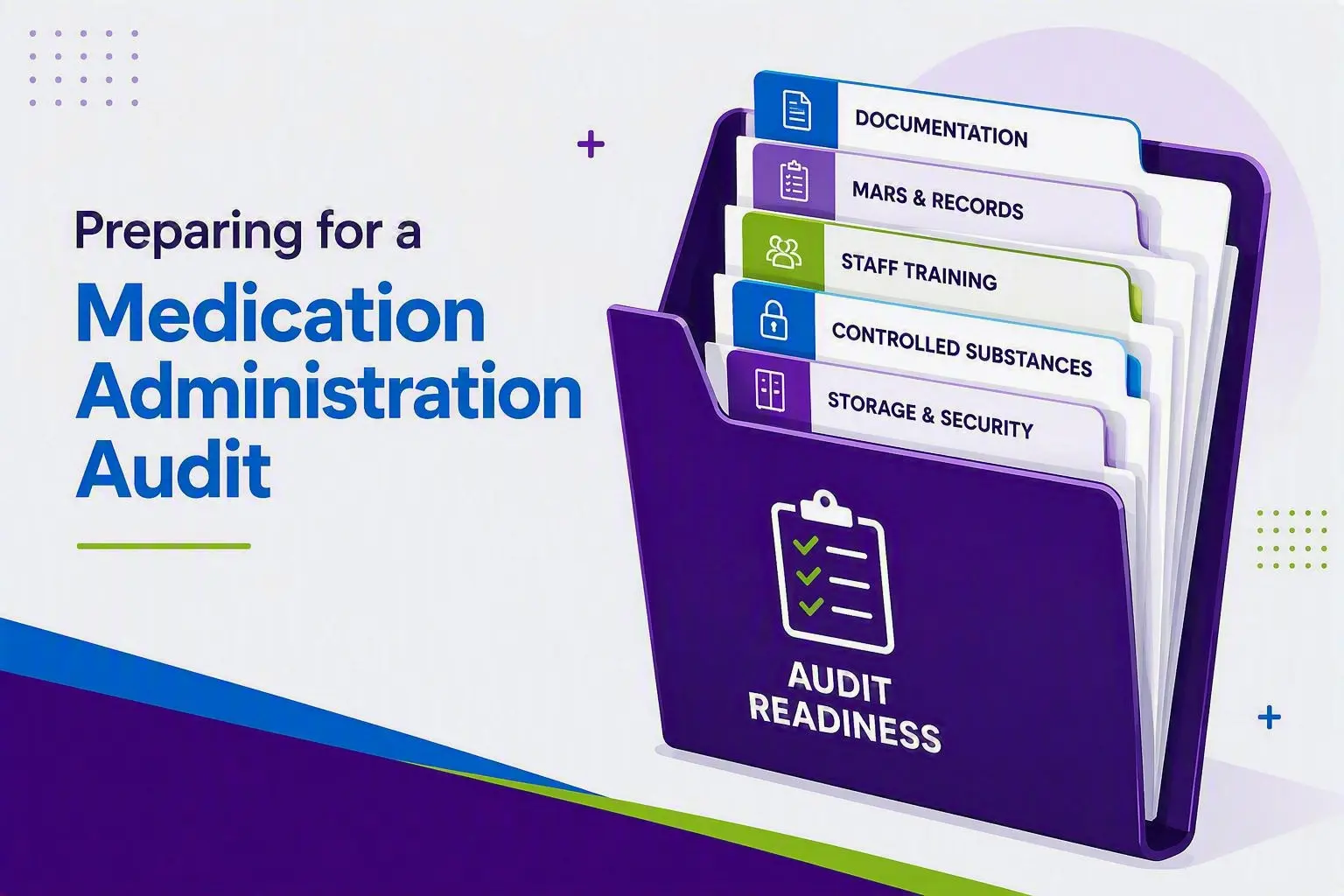
For IDD providers, medication administration is one of the most closely scrutinized areas during surveys, audits, and quality reviews. Whether conducted by a state agency, accreditation organization, managed care entity, or internal quality team, medication audits are designed to verify that individuals are receiving medications safely, accurately, and according to physician orders.
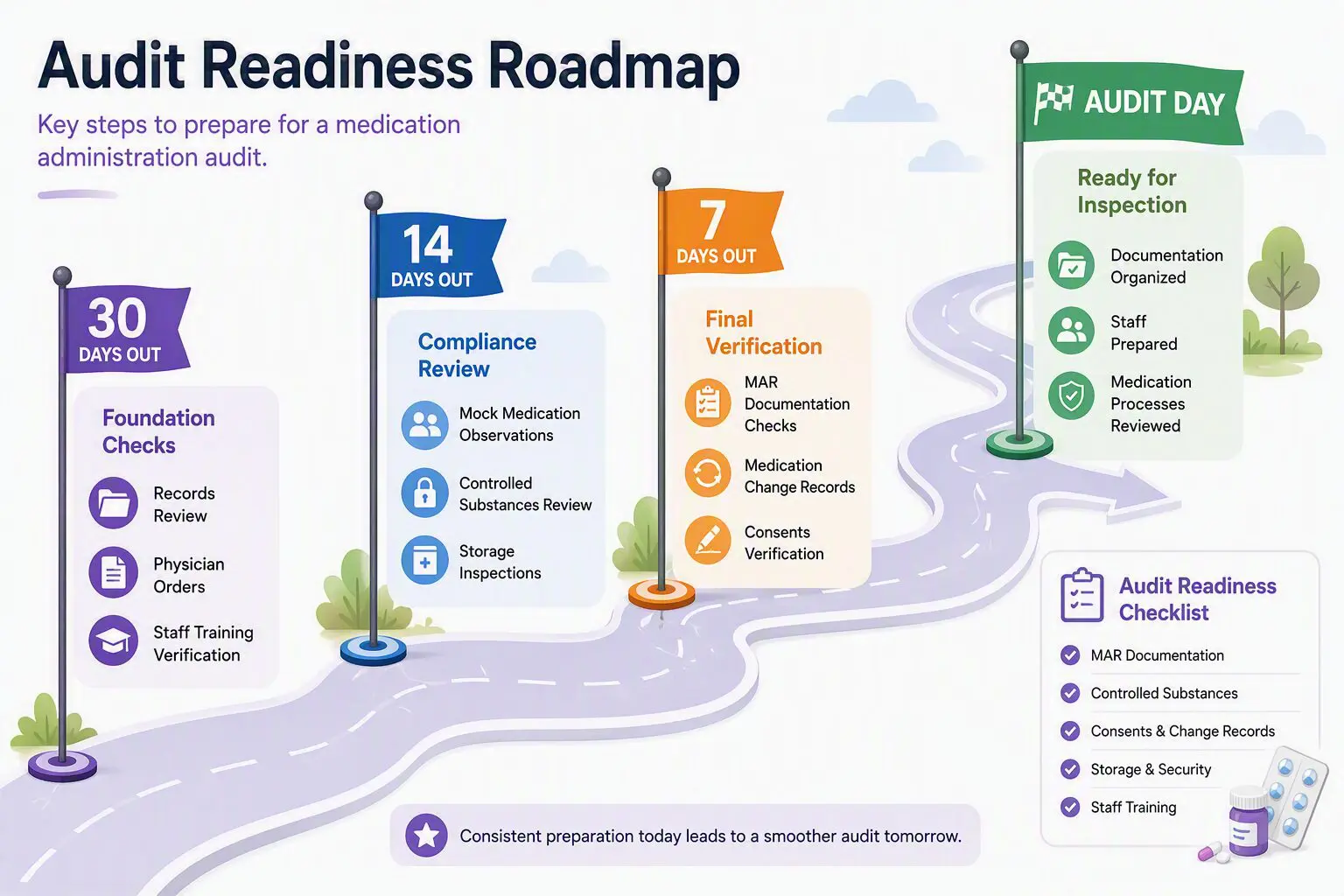
The challenge for many organizations is that audit readiness cannot be achieved the week before an inspection. Successful facilities create consistent medication management processes that support staff, reduce risk, and maintain accurate documentation every day.
The good news? Most audit findings are preventable. By focusing on a few key areas, providers can improve compliance, strengthen medication safety, and reduce stress when surveyors arrive.
What Auditors Are Looking For
While specific requirements may vary by state and program, medication reviews generally focus on several common areas:
- Accuracy of medication administration records (MARs)
- Timely medication administration
- Current physician orders
- Controlled substance documentation
- Medication storage and security
- Staff training and competency
- Documentation of medication changes
- Monitoring and reporting of medication-related issues
Surveyors are often looking for consistency. A facility may have strong policies in place, but if documentation and daily practices do not align with those policies, compliance concerns can arise.
| Audit Area | Common Finding | Potential Impact |
|---|---|---|
|
Medication Records |
MAR does not match physician order |
Citations or corrective action |
|
Controlled Substances |
Inventory count discrepancies |
Increased scrutiny from surveyors |
|
Staff Training |
Missing certification or competency documentation |
Compliance concerns |
|
Medication Changes |
Delayed updates after new orders |
Risk of medication errors |
|
PRN Documentation |
Missing effectiveness notes |
Incomplete clinical record |
|
Consent Documentation |
Missing guardian authorization |
Regulatory risk |
|
Medication Storage |
Expired medications or unsecured access |
Safety and compliance findings |
1. Ensure Medication Records Are Complete and Current
Incomplete documentation is one of the most common findings during medication audits.
Before an audit, conduct a quick assessment:
- MARs match current physician orders
- Discontinued medications are properly documented
- Medication refusals are documented
- Controlled substance counts are reconciled
- Staff medication certifications are current
- Medication changes are documented promptly
- Guardian consents are up to date
- Medication storage areas are secured
- Internal medication audits are conducted regularly
If you check fewer than 6 boxes, it may be time to review your medication management processes before your next survey or audit.
Ask Yourself:
If a surveyor reviewed a random medication record today, would they have a complete and accurate picture of that individual’s medication regimen?
2. Evaluate Medication Administration Practices
Documentation is important, but surveyors also want to understand how medications are administered in practice.
Consider reviewing:
- Medication pass observations
- Shift-to-shift communication processes
- Procedures for medication refusals
- Response protocols for medication errors
- Documentation workflows during busy periods
Medication administration should follow a consistent process regardless of which staff member is working. When processes vary from person to person, the risk of medication errors and documentation gaps increases.
3. Review Staff Training and Competency
Direct Support Professionals (DSPs) play a critical role in medication safety. Auditors frequently evaluate whether staff have received appropriate training and demonstrated competency.
Organizations should maintain documentation showing:
- Medication certification and renewals
- Initial training records
- Continuing education activities
- Competency assessments
- Corrective action plans when needed
Staff should also feel comfortable answering questions about medication administration procedures, documentation expectations, and escalation protocols.
Audit readiness is not just about paperwork. It is about ensuring staff have the knowledge and confidence to perform their responsibilities safely.
4. Strengthen Documentation Around Medication Changes
Medication changes can create significant compliance risk if documentation is incomplete.
Attention should be paid to:
- New medication orders
- Dose changes
- Medication discontinuations
- Psychotropic medication adjustments
- Guardian notifications and consent requirements
- Physician communications
Organizations serving individuals with intellectual and developmental disabilities often manage complex medication regimens and multiple prescribers. Clear processes for implementing and documenting medication changes can help prevent confusion and reduce risk.
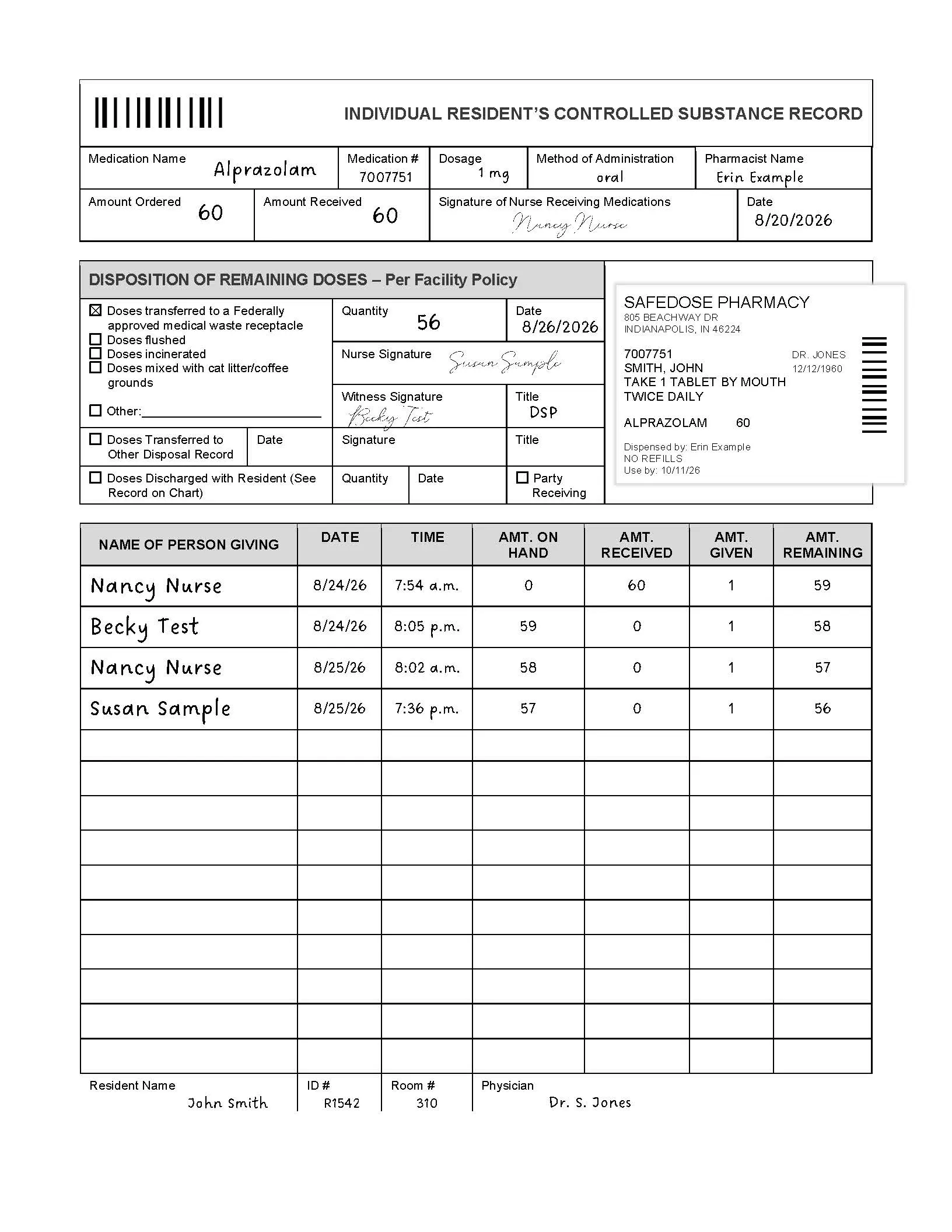
5. Monitor Controlled Substance Processes
Controlled substances are frequently reviewed during audits and surveys.
Facilities should regularly verify:
- Counts are performed according to policy
- Count sheets match inventory
- Discrepancies are investigated immediately
- Storage requirements are followed
- Documentation is complete and legible
Even minor inconsistencies can trigger additional review during an audit. Routine self-audits can help identify issues before they become findings.
6. Conduct Internal Mock Audits
One of the most effective ways to prepare for an external review is to perform periodic internal audits.
Mock audits can help organizations identify:
- Documentation gaps
- Training deficiencies
- Process inconsistencies
- Storage concerns
- Opportunities for quality improvement
Rather than approaching audits as a compliance exercise, successful organizations use them as a tool for strengthening medication safety and improving operational performance.
7. Partner With Organizations That Support Compliance
Medication management becomes more complex as organizations grow, add locations, or support individuals with increasingly complex clinical needs.
Many providers are looking for partners that can help simplify medication processes through:
- Accurate medication packaging
- Medication record support
- Refill coordination
- Reporting and documentation tools
- Clinical oversight and medication reviews
The right pharmacy partner can help reduce administrative burden while supporting stronger medication safety practices across the organization.
Why Medication Oversight Matters
Decrease in Administrative Errors
Partner Facility Case Study
Medication Dispensing Accuracy
Internal Fulfillment Data
Years Serving IDD & Extended Care
Internal Data
Fewer ED Visits & Hospitalizations
AJMC Case Study
Audit Readiness is Really About Quality Care
Preparing for a medication administration audit is not simply about avoiding deficiencies. It is about building systems that help staff work more efficiently, support regulatory requirements, and improve outcomes for the individuals they serve.
Organizations that prioritize accurate documentation, staff competency, medication oversight, and consistent processes are often better positioned when audits occur because compliance has become part of everyday operations, not a last-minute effort.
| Audit-Focused Thinking | Quality-Focused Thinking |
|---|---|
|
Preparing when an audit is scheduled |
Staying ready year-round |
|
Reviewing charts once a year* |
Continuous monitoring |
|
Fixing issues before surveyors arrive |
Preventing issues from occuring |
|
Managing compliance requirements |
Improving medication safety outcomes |
*Depending on state, quarterly or bi-annual reviews may be required.
Medication safety starts long before an auditor walks through the door. The strongest programs focus on creating reliable processes that support both care teams and the people who depend on them every day.
Want to strengthen medication safety and simplify audit readiness? Email hgillespie@anewhealthrx.com to learn how purpose-built pharmacy support can help reduce burden and improve compliance across your IDD organization.