
Individuals with intellectual and developmental disabilities (I/DD) are often prescribed psychotropic medications, frequently more than one at a time. Direct Support Professionals (DSPs) are often the first to notice when a psychotropic medication is helping or quietly causing harm. That puts DSPs in a uniquely important position.
Psychotropic medications are drugs that affect mood, thoughts, behavior or alertness. They include antipsychotics, antidepressants, mood stabilizers, anti-anxiety medications, and Attention-Deficit/Hyperactivity Disorder (ADHD) medications.
Clinicians are not the only ones who can support individuals on psychotropics. DSPs can help, too, by keeping track of what each medication is for, what changes to watch for, and how to safely give and document medications properly. And, as a DSP, you shouldn’t have to do it alone: the right pharmacy partner can take a lot of the risk and guesswork off your plate.
Common Classes of Psychotropic Medications and How They Work
Psychotropic medications change the activity of brain chemicals (neurotransmitters) such as serotonin, dopamine, norepinephrine, and GABA. Most fall into five groups.
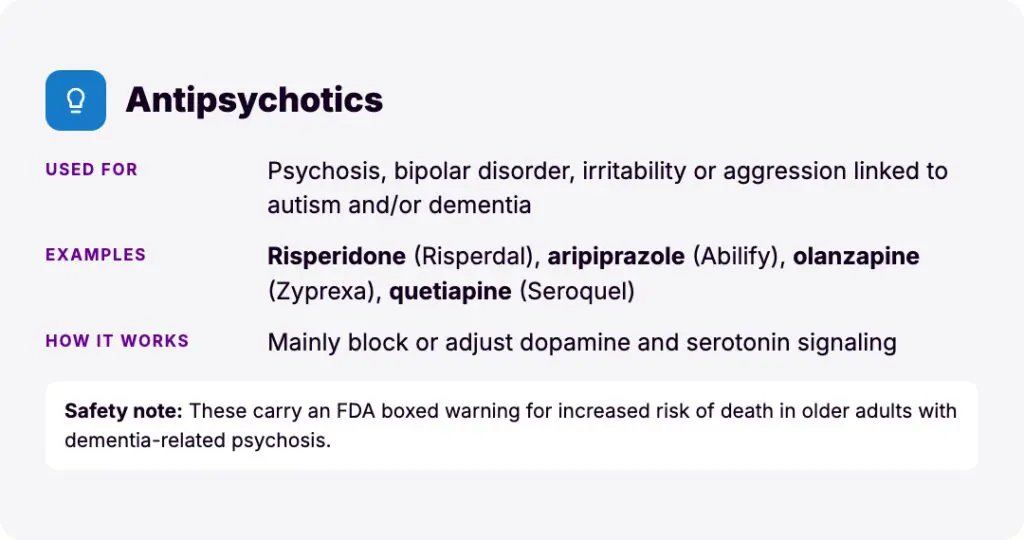
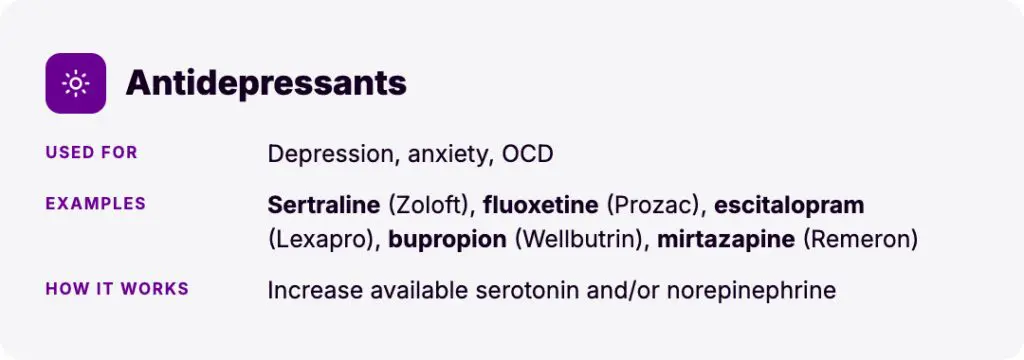
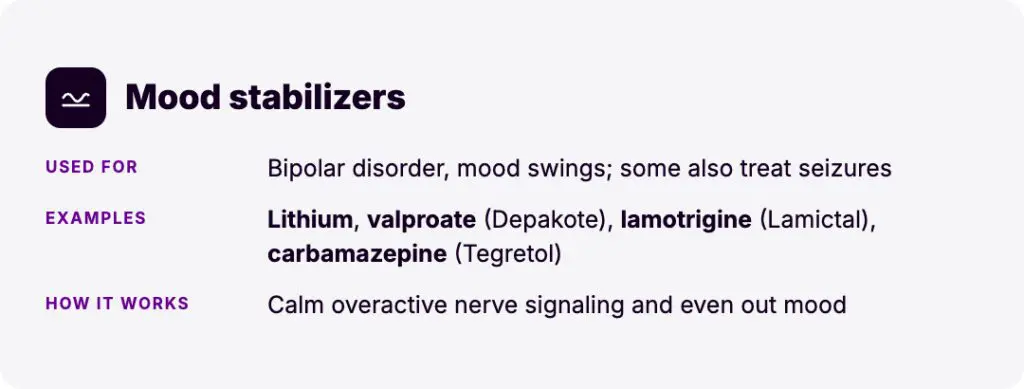
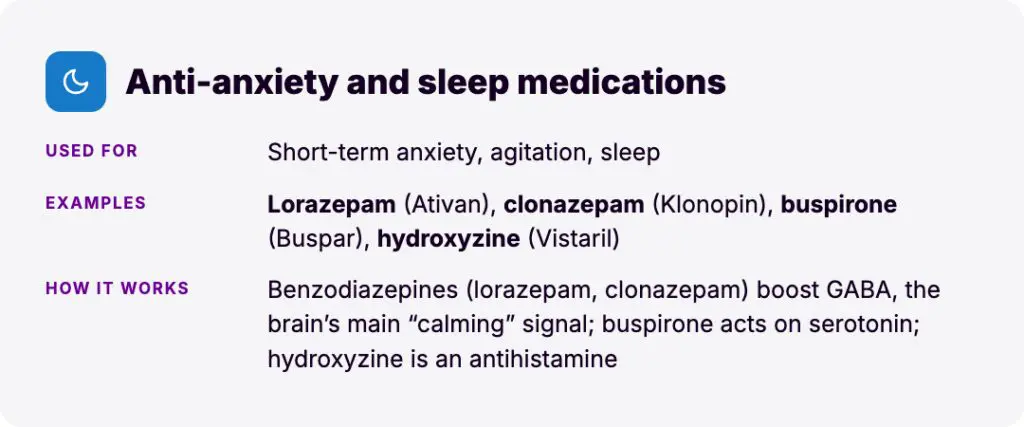
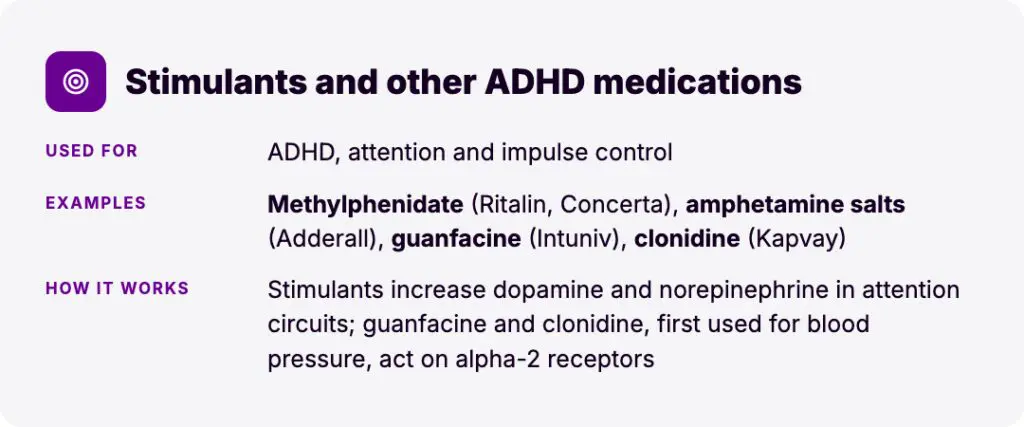
Two things matter more than memorizing names:
1. The same drug can be prescribed for different reasons, so always know the target symptom for each person.
2. Many of these medications work gradually, so a lack of change in the first week doesn’t mean a dose is wrong (e.g., antidepressants can take 4 to 8 weeks for full effect).
Side Effects DSPs Should Watch For
Many individuals you support may not be able to say “I feel dizzy” or “my muscles are stiff.” Side effects often show up as changes in behavior, routine or appearance, and DSPs may see those first.
Class: Antipsychotics
What to watch for:
Weight gain and increased appetite; drowsiness; stiffness, shuffling walk or tremor; restlessness or pacing; repetitive mouth, tongue or face movements (tardive dyskinesia); drooling; dizziness when standing
Class: Antidepressants
What to watch for:
Upset stomach; sleep changes; agitation, especially early on; new or worsening mood changes or thoughts of self-harm
Class: Mood Stabilizers
What to watch for:
Lithium: thirst, frequent urination, shakiness, diarrhea or vomiting, confusion.
Valproate and carbamazepine: drowsiness, unsteadiness, easy bruising.
Lamotrigine: any new rash
Class: Anti-Anxiety and Sedatives
What to watch for:
Sleepiness, unsteady walking and falls, confusion, slowed breathing; paradoxical agitation in some people
Class: Stimulants
What to watch for:
Poor appetite and weight loss, trouble sleeping, irritability, fast heartbeat; with guanfacine or clonidine, low blood pressure and sleepiness
As a DSP, you should track the individual’s sleep, appetite, weight, mood, activity level, walking, alertness and target symptoms before and after any medication change. Behavior changes count. An individual who suddenly resists meals, stops joining activities, sleeps much more or has more “behaviors” may be telling you something about their medication. If the individual is experiencing a suspected symptom, document the date and time, describe what you observed, and report new or worsening changes according to the care plan and agency policy.
Get help immediately (call the nurse or prescriber, or 911 if severe) for:
- High fever with rigid muscles and confusion
- A widespread rash or blistering
- Severe vomiting, confusion or trouble walking in someone on lithium
- Very slow or shallow breathing
- Seizures
- Any talk or signs of self-harm
Medication Management: What to Keep in Mind
Psychotropics are less forgiving than many other medications. Missed doses, timing errors, and interactions can quickly show up as changes in mood or behavior. Use the tips below to help avoid any disruption to care:
- Follow the rights of medication administration every time. Right person, medication, dose, time, route and documentation. Double-check the MAR (medication administration record) against the label before every pass.
- Be consistent with timing. Many psychotropics work best at steady levels. Some, like quetiapine or mirtazapine, are often given at bedtime because they cause drowsiness.
- Never stop or skip doses. Stopping antidepressants, benzodiazepines or seizure-related mood stabilizers suddenly can cause withdrawal symptoms, rebound anxiety or seizures. If a person refuses, document it and notify the nurse or prescriber.
- Know how each medication should be taken. Some can’t be crushed or split, especially extended-release tablets. Some must be taken with food. Lithium levels change with dehydration, so watch fluids in hot weather or illness.
- Watch for interactions. New prescriptions, over-the-counter products and supplements can interact. Examples: antihistamines add to sedation; ibuprofen can raise lithium levels; St. John’s wort can interact with antidepressants. Ask before giving anything new.
- Keep up with monitoring. Some medications need regular labs or checks: lithium and valproate blood levels, weight, blood sugar; cholesterol for antipsychotics; blood pressure for clonidine and guanfacine. Help make sure appointments happen.
- Document what you observe, not just what you give. Sleep, appetite, mood, behavior and any new symptoms help the prescriber decide whether a medication is working or a dose can be reduced.
- Speak up at reviews. Psychotropics should be reviewed regularly, with the goal of using the lowest effective dose. Your observations are evidence the team needs.
- Handle controlled substances carefully. Benzodiazepines and stimulants require counts, secure storage and signed documentation. Follow your agency’s policy exactly.
- Prepare for transitions. Hospital stays, day program changes, home visits and new staff are when errors happen most. Confirm the medication list is current and complete at every handoff.
What should a DSP do if a psychotropic medication may be causing a side effect? Document the specific change, when it began, and any recent medication changes. Follow the person’s care plan and agency policy to notify the nurse or prescriber. Seek emergency help for severe symptoms, and never change or stop a medication unless an authorized clinician directs you to do so.
How an I/DD Pharmacy Partner Supports Medication Safety
Everything above is easier with the right pharmacy behind you. SafeDose, an AnewHealth pharmacy built for I/DD, supports DSPs in a few key ways:
- Packaging that makes each dose clear. Medications come labeled by date, day and time, so a missed psychotropic dose is easy to spot.
- eMAR-ready records. Barcoded packets work with several eMAR options, and up-to-date MARs are available 24/7, so everyone works from the current orders after a dose change.
- Extra safety checks. Pharmacists verify every cycle before it ships and review regimens for interactions, duplicate therapies and chances to reduce doses.
- Help when you need it. A pharmacist is available 24/7 for questions about side effects or interactions, and same-day fills cover urgent changes.
- A team that knows you. A dedicated pharmacy team handles prescriber and payer follow-up, and on-demand training helps DSPs build medication skills.
With SafeDose as a partner, the result is fewer errors, steadier routines and better information flowing to the prescriber. For the people you support, that can mean fewer side effects, fewer missed doses and a better quality of life.
The Bottom Line
DSPs play a key role in keeping psychotropic medications safe and effective. Know why each medication is prescribed. Give it the same way every time. Watch for changes, and report anything that seems off.
You don’t have to do it alone. A pharmacy partner like SafeDose can help you stay organized, catch problems early, and get answers when you need them.
This article is for general education and does not replace guidance from a prescriber, nurse or pharmacist, or your company’s medication policies.