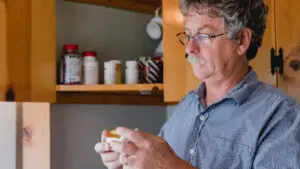
Did you know that many medications can increase the risk of falling? Falls are a major concern for older adults as they can cause serious injury and affect quality of life. Knowing how medications are related to falls can help patients keep themselves safer. Here is important insight for patients related to medications and falls.
How can medications increase the risk of falling?
Medications work to make you healthier, but they can also come with side effects. This is true for prescription and non-prescription drugs as well as supplements.
Some drugs can make you feel dizzy or drowsy. They can make you move more slowly and give you a foggy feeling. Some drugs can blur your vision or make it more difficult to walk. These things make it harder to stay steady on your feet.
When you take multiple medications, it increases the odds for the medications to interact. An interaction can increase the number of side effects you feel. It can also make your side effects feel worse.
Which medications may increase the risk of falling?
Any medication can cause a side effect, but some drugs are more commonly associated with the risk of falling. This includes medications that are used to treat:
- Insomnia and sleeping problems
- Anxiety and depression
- High blood pressure
- High blood sugar
- Allergies
- Seizures
- Chronic pain
How can you reduce your risk of falling if you take medications?
Talking to your pharmacist about your medications is one way to help prevent falls. Your pharmacist can tell you about the possible side effects of any drugs you take. They can also spot potential drug interactions that may cause problems and suggest a solution.
If you take multiple medications, talk to your pharmacist often. Every time you start a new prescription or have a medication change, ask them to do a medication review.
If you have multiple pharmacies and doctors, keep a current list of all the medications you take. Update and share this list with everyone on your healthcare team when anything changes. This will help them provide you with the treatment that is best for you. Read more about the importance of using one pharmacy to fill your prescriptions.
Once your pharmacist has checked your medications, it’s important to take them as directed. Follow what your doctor or pharmacist tells you. This will help ensure you take the right amount of medication. It will also help you take the right medications together at the right time of day.
Help with taking your medications as directed
It can be stressful to manage your medications while worrying about side effects and staying safe. Your pharmacist can advise you on how to make this easier.